
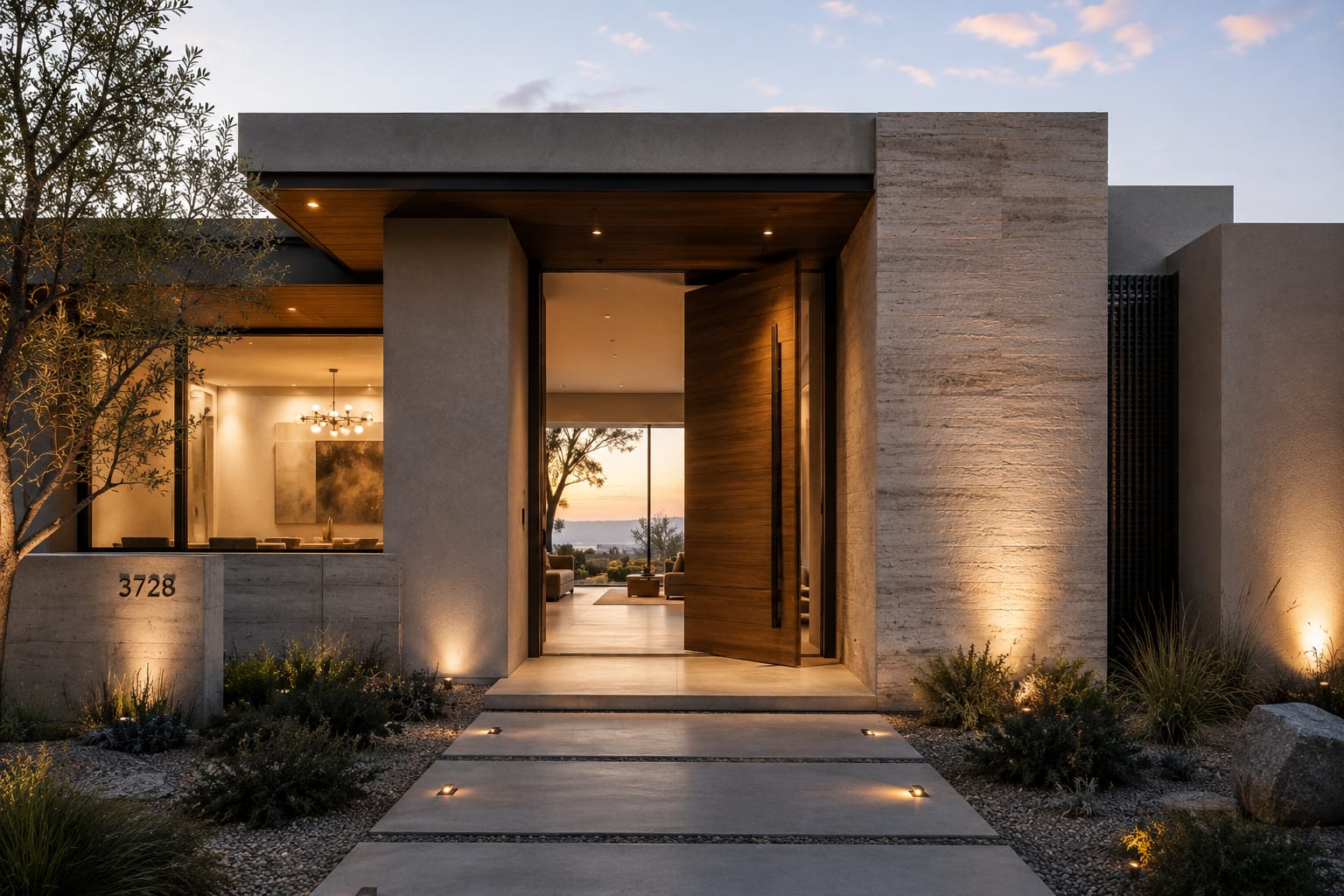
Natural stone has always been associated with luxury, permanence, and timeless design. From marble-clad hotels to slate fireplaces and limestone facades, stone creates an immediate impression of quality. Traditionally, however, using real stone on doors or furniture has been nearly impossible due to its weight, thickness, and installation challenges. Stone veneer changes that. Modern stone veneer technology allows designers, architects, and homeowners to enjoy the look and feel of genuine natural stone while dramatically reducing weight and expanding design possibilities. The result is a material that blends craftsmanship, engineering, and nature into applications that were once considered impractical.
What Is Stone Veneer?
Stone veneer is created by carefully separating an ultra-thin layer of real natural stone from a larger stone slab. This thin layer—typically less than 2mm thick—is permanently bonded to a high-performance backing material such as fiberglass, cotton, or flexible composite substrates. Because every sheet comes from genuine stone, no two pieces are identical. Each panel features the authentic colors, veining, textures, and mineral characteristics found in nature. Unlike printed laminates or faux finishes, stone veneer is real stone—simply engineered to be lighter and more versatile.
Why Use Stone Veneer?
Authentic Appearance: Nothing replicates natural stone quite like…natural stone. Every sheet carries the depth, texture, and unique visual movement that make materials like slate, marble, quartzite, sandstone, and limestone so desirable.
Lightweight Construction: Traditional stone slabs can weigh 15–20 pounds per square foot—or significantly more depending on thickness. Stone veneer typically weighs only a fraction of that, making it suitable for:
- Interior doors
- Pivot doors
- Cabinet doors
- Furniture
- Wall panels
- Reception desks
- Decorative millwork
The reduced weight also minimizes structural requirements and simplifies installation.
Design Flexibility
Because the material is thin and flexible, designers are no longer limited to flat architectural surfaces. Stone veneer can often be applied to:
- Curved furniture
- Radius panels
- Cabinet fronts
- Headboards
- Tables
- Custom millwork
This opens entirely new opportunities for high-end interior design.
Stone Veneer on Doors
One of the most exciting applications is architectural doors. Large pivot doors have become a defining feature in luxury homes and commercial spaces. Stone veneer allows designers to create doors that resemble solid slabs of marble or slate without the enormous weight that would normally make them impractical. When bonded to engineered door cores—such as aluminum honeycomb or lightweight composite panels—the result is a striking entrance that combines natural beauty with modern performance.
Benefits include:
- Luxury appearance
- Reduced door weight
- Improved hardware longevity
- Better balance for pivot systems
- Greater design freedom
Whether used on a dramatic front entry or an elegant interior door, stone veneer delivers a level of sophistication that immediately captures attention.
Stone Veneer on Furniture
Furniture designers are increasingly incorporating stone veneer into their work to create distinctive statement pieces. Applications include:
- Dining tables
- Coffee tables
- Conference tables
- Credenzas
- Nightstands
- Bathroom vanities
- Reception desks
Because the material is genuine stone, every piece becomes one of a kind. Combining stone veneer with materials such as walnut, oak, steel, brass, or glass creates beautiful contrasts between warm natural textures and refined stone surfaces.
Endless Material Choices
Stone veneer is available in a wide range of natural stones, including:
- Slate
- Marble
- Quartzite
- Limestone
- Sandstone
- Mica
- Exotic natural stones
Each offers its own color palette and texture, allowing designers to match virtually any architectural style—from modern minimalist homes to rustic mountain retreats.
Durability and Performance
While stone veneer is remarkably thin, it remains surprisingly durable when properly fabricated. When bonded to quality substrates using professional adhesives, it provides:
- Scratch-resistant natural stone surfaces
- Excellent dimensional stability
- Long-term color retention
- Easy cleaning and maintenance
Proper fabrication techniques and edge protection help ensure years of reliable performance in both residential and commercial environments.
Sustainability Benefits
Using stone veneer also makes better use of natural resources. A single stone block can produce significantly more usable surface area than traditional slabs because only a thin layer of stone is required for each panel. This increases material efficiency while reducing transportation costs and overall project weight. For architects pursuing sustainable design, stone veneer offers an attractive balance between authentic natural materials and responsible resource utilization.
A Material Designed for Modern Design
Today’s luxury interiors demand materials that are both beautiful and functional. Stone veneer bridges the gap between timeless natural stone and modern engineering, allowing designers to incorporate genuine stone into applications that were once impossible. Whether it’s an oversized pivot door that makes a memorable first impression, a custom dining table that becomes the centerpiece of a home, or elegant cabinetry that elevates an entire kitchen, stone veneer provides the character of real stone without the limitations of traditional slabs. As technology continues to expand what’s possible in architectural millwork and furniture design, stone veneer is quickly becoming one of the most exciting materials available to designers seeking to create distinctive, high-end spaces.